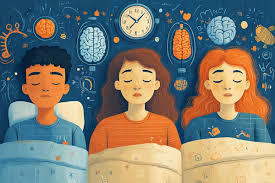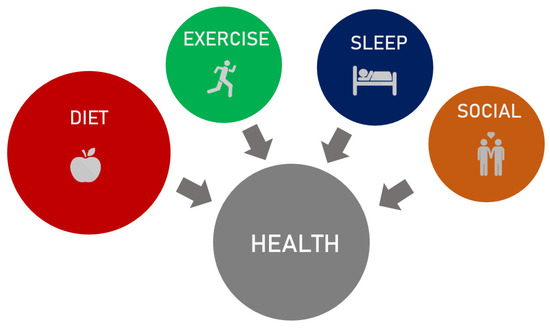
The neuroscience of sleep explains how our brain manages rest. Understanding common sleep failures helps us fix our habits. This leads to better sleep quality and more energy throughout the day.
The Brain’s Night Shift: What Happens When We Sleep
Your brain doesn’t just shut off when you sleep. It’s actually very busy. It’s like a dedicated night crew fixing and organizing things.
This is crucial for your health. Sleep helps your body repair itself. It also helps your brain make sense of the day.
Your memories get sorted. Your body gets ready for a new day.
There are different stages of sleep. Each stage has a job. The most common ones are REM (Rapid Eye Movement) and NREM (Non-Rapid Eye Movement) sleep.
NREM sleep is further divided into stages. Stage 1 is light sleep. You can be woken up easily.
Stage 2 is a bit deeper. Your heart rate slows. Your body temperature drops.
Stages 3 and 4 are deep sleep. This is when your body does most of its healing. Your muscles grow.
Your tissues repair. Your immune system gets stronger.
REM sleep is different. This is when you dream the most. Your brain activity looks similar to when you’re awake.
Your eyes move quickly under your eyelids. Your body is mostly paralyzed. This stops you from acting out your dreams.
REM sleep is important for learning. It also helps with emotional health. It helps you process feelings and solve problems.
Your brain cycles through these stages many times each night. A full sleep cycle lasts about 90 minutes. Most adults need about 7 to 9 hours of sleep.
This allows for several full cycles. Each cycle contributes to feeling rested and healthy. The exact amount of time needed in each stage can vary.
It depends on your age and what your body needs. Young children and teens need more deep sleep and REM sleep. Adults might need more deep sleep for repair.
The control center for sleep is in a part of your brain called the hypothalamus. It works with other brain areas. It uses signals from your body.
Light and darkness are big signals. Your internal body clock, or circadian rhythm, plays a huge role. This clock tells your body when to feel awake and when to feel sleepy.
Hormones like melatonin help signal bedtime. When it gets dark, your body makes more melatonin. This makes you feel drowsy.
When light appears, melatonin production stops.
Brain waves also show differences between sleep stages. During deep sleep, brain waves are slow and large. This shows less brain activity.
During REM sleep, brain waves are faster and more varied. This shows high brain activity. It’s a complex system.
It keeps you alive and healthy. It helps you function well every day. When this system is disrupted, it causes problems.
My Own Sleep Stumble: The Night the Alarm Didn’t Matter
I remember one particularly rough patch. It was a few years ago. I was juggling work deadlines and a new home project.
Sleep was the first thing to go. I told myself I could catch up later. Big mistake.
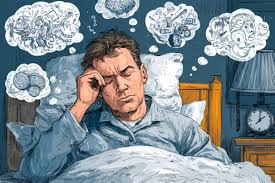
One night, I set my alarm for an early meeting. I felt exhausted. I remember crawling into bed, hoping for deep sleep.
Instead, I just lay there. My mind raced. Worries about work, about the house, about everything.
Sleep felt impossible.
When my alarm blared at 5 AM, I hit snooze. Then I hit it again. And again.
It felt like I was in a fog. When I finally forced myself up, I felt worse. I was groggy.
My head pounded. At my meeting, I couldn’t focus. Words swam on the screen.
I felt a deep sense of frustration. This wasn’t just tiredness. It was like my brain had shut down.
It couldn’t operate. I realized then how much I took good sleep for granted. It’s not just about feeling rested.
It’s about being able to think, to function, to just be.
Sleep Stage Quick Scan
Light Sleep (Stage 1 & 2 NREM): Easy to wake up. Body slows down.
Deep Sleep (Stage 3 & 4 NREM): Body repairs. Muscles grow. Immune system gets strong.
REM Sleep: Dreaming happens. Brain is active. Good for learning and emotions.
The brain’s need for these stages is constant. Even if you miss one cycle, your brain tries to compensate. It might spend more time in deep sleep the next night.
Or it might try for more REM. But consistent disruption causes issues. It affects mood.
It affects memory. It makes you more prone to getting sick. It can even impact your weight.
Think of your brain like a computer. It needs to shut down properly to run its maintenance programs. If you keep it on all the time, it slows down.
It starts to glitch. Eventually, it might crash. Sleep is that essential maintenance time for your brain.
It clears out waste products. It strengthens connections between brain cells. It prepares you for the challenges of the next day.
Why We Fail at Sleep: Common Pitfalls
So, if sleep is so important, why is it so hard for so many of us? There are many reasons. Some are easy to fix.
Others are more complex. One of the biggest culprits is our modern lifestyle. We live in a world that often rewards being busy.
There’s pressure to work late. To stay connected on our phones. This all eats into our sleep time.
Light exposure is a big factor. We are surrounded by artificial light. Screens from phones, computers, and TVs emit blue light.
This light tells your brain it’s still daytime. It tricks your brain into thinking it’s not time to sleep. Even dim lights can disrupt your body clock.
Your brain needs darkness to signal melatonin production. Turning off lights an hour before bed can make a big difference.
Caffeine and alcohol are also common sleep disruptors. Many people enjoy a cup of coffee in the afternoon. Or a glass of wine in the evening.
Caffeine is a stimulant. It keeps you awake. Even if you drink it early, its effects can last for hours.
Alcohol might make you feel sleepy at first. But it actually harms sleep quality later in the night. It can lead to more awakenings.
It reduces REM sleep, which is vital.
The Sleep Stealers: What to Watch Out For
- Late Night Screen Time: Blue light confuses your brain.
- Caffeine Close to Bed: Keeps your brain alert.
- Alcohol Before Sleep: Disrupts sleep cycles.
- Irregular Sleep Schedules: Confuses your body clock.
- Stress and Worry: Makes it hard to quiet your mind.
- Uncomfortable Sleep Environment: Too hot, too cold, or too noisy.
Stress and anxiety are major enemies of sleep. When your mind is full of worries, it’s hard to relax. Your brain stays in a state of alert.
This is the opposite of what you need for sleep. Trying to fall asleep when stressed is like trying to stop a car by just thinking about it. Your body needs to calm down.
Your thoughts need to slow.
Our sleep schedules can also be a problem. Waking up at different times on weekdays and weekends throws off your body clock. This is like giving your internal clock jet lag.
It makes it harder to fall asleep and wake up naturally. Consistency is key for a healthy sleep rhythm. Even small changes can have an impact.
The physical environment matters too. Your bedroom should be a sanctuary for sleep. If it’s too hot or too cold, you’ll struggle to rest.
Noise can also be a major issue. Snoring partners, street sounds, or pets can all wake you up. Darkening your room is important.
Even small amounts of light can interfere.
The Science Behind the Snooze Button: Circadian Rhythms and Sleep Pressure
Your body runs on two main systems for sleep. One is called the circadian rhythm. The other is sleep pressure.
Both are controlled by your brain. They work together to tell you when to sleep and when to be awake.
Your circadian rhythm is your internal 24-hour clock. It’s like a master conductor for your body’s daily activities. It influences when you feel alert and when you feel tired.
Light is the main cue for this clock. Your eyes detect light. This signal goes to a special part of your brain.
This part adjusts your internal clock. When it’s light, your clock keeps you awake. When it’s dark, it signals your body to prepare for sleep.
This is why shift workers often struggle. Their schedules fight their natural circadian rhythm.
This rhythm also affects hormone release. Melatonin, the sleep hormone, is released when it’s dark. Cortisol, a stress hormone that helps you wake up, is higher in the morning.
Your body temperature also follows a rhythm. It drops slightly during the night. This helps you sleep.
It rises in the morning to help you wake.
Circadian Rhythm: Your Body’s Clock
What it is: An internal 24-hour cycle that controls sleep and wake times.
Key Influence: Light exposure signals the brain to adjust the clock.
Hormone Link: Regulates melatonin (sleep) and cortisol (wakefulness).
Why it matters: Disrupting it leads to sleep problems and daytime fatigue.
The second system is sleep pressure. This builds up the longer you are awake. Think of it like hunger.
The longer you go without eating, the hungrier you get. The longer you stay awake, the more you feel the need to sleep. This pressure is driven by a chemical called adenosine.
Adenosine builds up in your brain throughout the day. It makes you feel sleepy. When you sleep, your body clears out adenosine.
This reduces the sleep pressure.
Caffeine works by blocking adenosine receptors. This is why coffee makes you feel less tired. It doesn’t remove adenosine.
It just stops you from feeling its effects. That’s why you can still feel the effects of caffeine later. Your body is still producing adenosine.
These two systems work together. Your circadian rhythm dictates broad patterns of sleepiness and alertness. Sleep pressure provides the specific urge to sleep at certain times.
For example, your circadian rhythm might make you feel a bit tired in the early afternoon. This is often called the post-lunch slump. But the strong urge to sleep comes later.
It’s when both the circadian rhythm is signaling sleep and sleep pressure is high.
When these systems are out of sync, sleep becomes difficult. If you stay up very late, your sleep pressure is very high. But if your circadian rhythm is still signaling wakefulness, you might struggle to fall asleep.
Conversely, if you sleep in very late, you reduce your sleep pressure. Your circadian rhythm might also shift. This makes it harder to fall asleep at your usual bedtime the next night.
The Role of Brain Waves in Sleep Stages
Neuroscience shows us that our brains are never truly “off” during sleep. Instead, they operate at different speeds and patterns. These patterns are measured as brain waves.
Electroencephalography (EEG) is the tool used to see these waves. It uses small sensors on your scalp. These sensors detect the electrical activity of your brain cells.
The speed and size of these waves tell us a lot about what your brain is doing.
During wakefulness, your brain waves are fast and small. They are called beta waves. They show that your brain is active and alert.
As you relax and get ready for sleep, these waves slow down. They become alpha waves. This is a sign of a relaxed, yet still awake state.
When you first fall asleep, you enter NREM Stage 1. Your brain waves start to slow further. They become theta waves.
You might feel like you’re drifting or even floating. Muscle activity decreases. This stage is very light sleep.
You can be easily woken.
Brain Waves and Sleep
- Beta Waves: Fast, small. Awake and alert.
- Alpha Waves: Slower. Relaxed but awake.
- Theta Waves (NREM 1): Slowing down. Light sleep.
- Sleep Spindles & K-Complexes (NREM 2): Deeper sleep. Brain waves show bursts.
- Delta Waves (NREM 3 & 4 – Deep Sleep): Slow, large waves. Very restorative.
- Mixed Waves (REM Sleep): Fast, varied. Similar to wakefulness.
NREM Stage 2 is a deeper stage. Here, you see specific patterns called sleep spindles. These are brief bursts of faster brain wave activity.
There are also K-complexes. These are single large waves. They are thought to help protect sleep from disturbances.
Your body temperature drops. Your heart rate slows even more. Most of your night’s sleep is spent in this stage.
The most restorative sleep occurs in NREM Stages 3 and 4. These are often called deep sleep or slow-wave sleep. Your brain waves become very slow and large.
These are called delta waves. During deep sleep, your body repairs itself. Growth hormone is released.
Your immune system is boosted. This stage is crucial for feeling physically refreshed. Children and teens spend more time in deep sleep.
As we age, the amount of deep sleep we get decreases.
Then comes REM sleep. This is where things get exciting again for the brain. Brain waves during REM look very similar to those during wakefulness.
They are fast and varied. Your eyes dart back and forth rapidly under your eyelids. Your body is mostly paralyzed.
This is thought to be a safety mechanism. It prevents you from acting out your dreams. REM sleep is crucial for memory consolidation.
It helps you learn new things. It also plays a role in emotional processing and mood regulation.
Your brain cycles through these stages multiple times a night. Typically, you start with NREM sleep. You move through the stages.
Then you have a REM period. This cycle repeats about every 90 minutes. The length of each stage changes as the night goes on.
Early in the night, deep sleep stages are longer. Later in the night, REM sleep stages get longer. This explains why you might feel more groggy if you’re woken during a deep sleep phase.
Or why you might recall dreams more vividly if you wake near the end of a REM cycle.
The Science of Dreams: More Than Just Random Images
Dreams are one of the most fascinating mysteries of sleep. For a long time, scientists weren’t sure why we dream. Or what dreams even meant.
Now, neuroscience offers some clear ideas. Dreams aren’t just random images flicking through your mind. They serve important purposes for your brain.
The most vivid dreams happen during REM sleep. This is when your brain activity is high. Some theories suggest dreams are a way for your brain to process emotions.
Your brain might be sorting through the day’s events. It can help you deal with difficult feelings. It’s like a safe space to work through worries or fears.
This emotional processing helps you feel more balanced when you wake up.
Another key idea is memory consolidation. Your brain takes information from the day. It decides what’s important to keep.
It strengthens those memories. Dreams might be part of this process. Your brain might be replaying experiences.
It’s linking new information with old. This helps you learn and remember better. Some researchers believe dreams help you practice skills or solve problems.
Your brain can explore different scenarios. It can come up with creative solutions while you sleep.
Dreaming’s Purpose
- Emotional Processing: Helps work through feelings and reduce stress.
- Memory Consolidation: Organizes and stores important memories.
- Problem-Solving: Explores scenarios and finds creative solutions.
- Threat Simulation: Practices responses to dangerous situations (evolutionary idea).
- Brain Maintenance: Keeps neural pathways active and healthy.
There’s also a theory that dreams are a way to simulate threats. In evolutionary terms, this could have helped our ancestors. Practicing how to escape danger while asleep could save them in real life.
While we don’t face the same dangers today, this part of our brain might still be active. It could explain some of the more anxious or scary dreams people have.
Your brain also uses sleep to clear out waste products. This is like your brain’s janitorial service. This process is called the glymphatic system.
It’s more active during deep sleep. But REM sleep also plays a role in keeping brain cells healthy and connected. Dreams might be a byproduct of this essential maintenance work.
They are a sign your brain is actively working to keep itself in good shape.
Even though dreams happen most vividly in REM sleep, we can dream in other stages too. These dreams are often less vivid. They might feel more like thoughts or images.
The purpose of dreaming in non-REM stages might be different. It could be more related to processing factual information. Or simply resting the brain in different ways.
If you rarely remember your dreams, it’s usually not a problem. Some people naturally don’t recall them. Others might just not spend enough time in the REM stage.
Or they might wake up in a way that doesn’t preserve dream recall. The act of dreaming itself is what’s important for your brain’s health. Not necessarily remembering every single one.
When Sleep Goes Wrong: Common Sleep Disorders
Sometimes, sleep problems are more than just a bad night. They can be persistent issues that affect your health. These are often signs of a sleep disorder.
Knowing about them can help you get the right help. Sleep disorders can significantly impact your quality of life. They can affect your mood, your energy, and your overall well-being.
One of the most common is insomnia. This is difficulty falling asleep. Or staying asleep.
People with insomnia often wake up too early. They feel tired and unable to go back to sleep. Chronic insomnia can be very distressing.
It can be caused by many things. Stress, anxiety, poor sleep habits, or certain medical conditions can all contribute.
Another serious disorder is sleep apnea. In this condition, a person stops breathing for short periods during sleep. This can happen many times a night.
The brain doesn’t get enough oxygen. The most common type is obstructive sleep apnea. This happens when the airway collapses.
It causes loud snoring and gasping. People with sleep apnea often don’t realize they have it. They just feel extremely tired during the day.
It’s a serious health risk if left untreated.
Common Sleep Disorders
| Disorder |
Main Symptom |
What Happens |
| Insomnia |
Difficulty sleeping |
Trouble falling asleep, staying asleep, or waking too early. |
| Sleep Apnea |
Breathing stops during sleep |
Pauses in breathing, loud snoring, gasping, daytime sleepiness. |
| Restless Legs Syndrome (RLS) |
Unpleasant leg sensations |
Urge to move legs, especially at night, causing sleep disruption. |
| Narcolepsy |
Excessive daytime sleepiness |
Sudden sleep attacks, muscle weakness, or hallucinations. |
| Parasomnias |
Unusual behaviors during sleep |
Sleepwalking, night terrors, or sleep talking. |
Restless Legs Syndrome (RLS) causes an irresistible urge to move your legs. It often happens when you’re resting or trying to sleep. This feeling is usually worse at night.
It can be described as crawling, creeping, or pulling sensations. Moving your legs provides temporary relief. But the urge returns, making sleep very difficult.
Narcolepsy is a neurological disorder. It affects the brain’s ability to regulate sleep-wake cycles. People with narcolepsy experience excessive daytime sleepiness.
They may fall asleep suddenly and unexpectedly. This can happen during activities like eating or talking. It can also involve cataplexy, which is sudden muscle weakness.
It’s often triggered by strong emotions. Hallucinations and sleep paralysis can also occur.
Then there are parasomnias. These are abnormal behaviors that occur during sleep. This can include sleepwalking, sleep talking, or night terrors.
Night terrors are particularly frightening. They involve screaming or thrashing during sleep. Unlike nightmares, people often don’t remember night terrors.
Sleepwalking involves walking or performing other activities while asleep. It’s important not to disturb someone sleepwalking.
Seeking help for a sleep disorder is crucial. A doctor can diagnose the problem. They can recommend treatments.
These might include lifestyle changes, therapy, or medication. Sometimes, a sleep study is needed. This involves monitoring your sleep in a lab.
It helps identify specific issues like sleep apnea or RLS.
Learning from Failures: How to Improve Your Sleep
It’s easy to get discouraged when sleep is difficult. But understanding the science behind sleep helps us identify what’s not working. We can learn from these “failures” and make changes.
It’s not about perfection. It’s about creating better habits.
One of the most powerful changes is creating a consistent sleep schedule. Try to go to bed and wake up around the same time every day. Even on weekends.
This helps regulate your body’s internal clock. It makes it easier to fall asleep and wake up naturally. Your brain learns to expect sleep at a certain time.
Your sleep environment matters greatly. Make sure your bedroom is cool, dark, and quiet. Use blackout curtains if light is an issue.
Consider earplugs if noise is a problem. Keep the temperature a few degrees cooler than you might like for daytime. This helps your body temperature drop for sleep.
Sleep Improvement Checklist
- Stick to a schedule: Same bedtime and wake time daily.
- Create a cool, dark room: Optimize your sleep sanctuary.
- Limit screens before bed: Avoid blue light for at least an hour.
- Watch caffeine and alcohol: Cut off late in the day.
- Wind down: Relaxing activities before sleep.
- Exercise regularly: But not too close to bedtime.
- Manage stress: Find calm techniques.
Limit your exposure to screens in the hour before bed. The blue light they emit can suppress melatonin. Opt for a book.
Listen to a podcast. Or take a warm bath. This helps your brain shift into a relaxed state.
It signals that it’s time to wind down.
Be mindful of what you consume. Avoid caffeine in the late afternoon and evening. Also, try to limit alcohol intake before bed.
While it might make you feel sleepy, it disrupts sleep quality. Heavy meals close to bedtime can also cause discomfort and interfere with sleep.
Regular physical activity is great for sleep. But timing is important. Aim to exercise earlier in the day.
Intense workouts close to bedtime can be too stimulating. They can raise your heart rate and body temperature. This makes it harder to fall asleep.
A gentle walk or stretching is usually fine.
If you find yourself lying in bed awake for more than 20 minutes, get out of bed. Go to another room. Do something quiet and relaxing in dim light.
Like reading a book. Return to bed when you feel sleepy. This helps break the association between your bed and frustration.
Your bed should be for sleep and intimacy only.
Finally, if sleep issues persist, don’t hesitate to seek professional help. A doctor can rule out underlying medical conditions. They can offer personalized advice.
Sometimes, cognitive behavioral therapy for insomnia (CBT-I) is very effective. It focuses on changing thoughts and behaviors that interfere with sleep.
Real-World Scenarios: Sleep in Action
Let’s look at how these sleep principles play out in everyday life. Imagine Sarah. She works a demanding office job.
She often feels tired by mid-afternoon. She drinks coffee to stay alert. She also likes to unwind with wine in the evening.
On weekends, she sleeps in late. This helps her feel a little better. But then Monday mornings are very hard.
Her circadian rhythm is confused.
Sarah’s failure is her inconsistent schedule and her reliance on stimulants. Her failure to create a cool, dark, quiet bedroom also plays a role. She often scrolls through social media in bed.
This blue light keeps her brain active. She’s sabotaging her sleep without realizing it. The neuroscience of sleep tells us her brain needs consistency.
It needs darkness to make melatonin. It needs to clear adenosine.
Now consider Mark. He’s a student. He pulls all-nighters to study.
He believes he can catch up on sleep later. He often feels wired and anxious before bed. He snacks on sugary foods late at night.
His failure is believing sleep is optional. He doesn’t understand that sleep is when his brain consolidates learning. Pulling all-nighters actually hurts his ability to remember the material.
His brain can’t process what he’s learned without sleep.
Scenario Analysis
Sarah: The Busy Professional
- Habits: Late coffee, evening wine, inconsistent weekend sleep, screen time in bed.
- Impact: Confused circadian rhythm, disrupted sleep quality, daytime fatigue.
- Neuroscience Principle: Sleep pressure builds, but circadian rhythm is disrupted.
Mark: The Stressed Student
- Habits: All-nighters, poor late-night eating, belief that sleep is flexible.
- Impact: Impaired memory consolidation, increased anxiety, poor academic performance.
- Neuroscience Principle: Sleep is vital for learning and brain repair; it’s not a luxury.
Think about a new parent. They are experiencing extreme sleep deprivation. Their sleep is constantly interrupted.
They might fall asleep for short periods. But it’s not restorative sleep. Their circadian rhythm is completely broken.
Their sleep pressure is high. But the fragmented nature means they don’t get enough deep sleep or REM sleep. This is a temporary situation, but it highlights how crucial continuous sleep is for function.
The neuroscience explains that they need consolidated sleep to repair and process.
These scenarios show how real-life demands can clash with our biological need for sleep. The science of sleep provides the blueprint. Our daily lives are the test.
Learning to align our habits with our brain’s needs is the key to success. It’s about making small, consistent changes that respect our brain’s nighttime work.
What This Means for You: Practical Takeaways
Understanding the neuroscience of sleep is powerful. It tells us that sleep is not a passive state. It’s an active, essential process for our brains and bodies.
The failures we experience are often a result of fighting against our natural biology.
When it’s normal: It’s normal to have occasional sleepless nights. Life happens. Stress can interfere.
You might feel tired the next day. But if you get back on track with good sleep habits, you usually recover quickly. It’s also normal for sleep patterns to change as you age.
You might not need as much deep sleep. Or you might find yourself waking up earlier.
When to worry: You should worry if sleep problems are constant. If you consistently struggle to fall asleep or stay asleep. If you feel excessively tired every day.
If you snore loudly or gasp for air at night. If you have uncontrollable urges to move your legs. These could be signs of a sleep disorder.
Persistent fatigue can impact your health. It can lead to other problems like weight gain, heart issues, or weakened immunity.
Simple Sleep Checks
- Daily Energy Level: Do you feel awake and alert most of the day?
- Ease of Falling Asleep: Can you fall asleep within 15-20 minutes?
- Middle-of-Night Awakenings: Do you wake up frequently and struggle to return to sleep?
- Morning Wakefulness: Do you wake up feeling refreshed (even if you need coffee)?
- Snoring/Gasping: Has anyone told you that you snore loudly or seem to stop breathing?
Simple checks you can do yourself: Keep a sleep diary. Note when you go to bed, when you wake up, how many times you wake up, and how you feel during the day. This can help you identify patterns.
Pay attention to how your sleep environment affects you. Is it too bright? Too noisy?
Too hot?
Notice how caffeine, alcohol, and late-night meals impact your sleep. Many people underestimate how long caffeine stays in their system. Or how alcohol disrupts deep sleep.
These small observations can lead to big changes. The goal is to support your brain’s natural sleep processes. Not to fight against them.
Quick Tips for Better Rest
Here are some straightforward ideas to try tonight. They are based on how our brains and bodies work best for sleep. You don’t have to do them all.
Pick one or two that seem most doable for you.
- Set a “Wind-Down” Time: Start relaxing an hour before bed. Put away work. Avoid stressful conversations.
- Create a Bedtime Ritual: Do the same calming activities each night. Like reading, gentle stretching, or listening to soft music.
- Make Your Bedroom a Sleep Cave: Ensure it’s dark. Use a comfortable temperature. Keep it tidy.
- Get Morning Light: Open curtains as soon as you wake up. This tells your brain it’s time to be alert. It helps reset your circadian rhythm.
- Limit Naps: If you must nap, keep it short (20-30 minutes). And do it earlier in the day. Long or late naps can make it harder to sleep at night.
- Avoid Clock-Watching: Constantly checking the time can increase anxiety. Turn your clock away from you if needed.
- Use Your Bed for Sleep: Try not to work, eat, or watch TV in bed. This helps your brain associate your bed with sleep.
Frequently Asked Questions About Sleep Neuroscience
How much sleep do I really need?
Most adults need between 7 and 9 hours of sleep per night. This amount can vary slightly based on age, lifestyle, and individual needs. Teenagers generally need more, closer to 8-10 hours.
Children need even more.
Can I catch up on lost sleep on the weekends?
While sleeping in on weekends can help you feel a bit better, it doesn’t fully erase the effects of sleep debt. It can also disrupt your body’s natural sleep-wake cycle, making it harder to fall asleep on Sunday night. Consistent sleep is more beneficial than playing catch-up.
What is the best time to go to bed?
The best time to go to bed aligns with your body’s natural circadian rhythm. For most people, this means going to bed when you start feeling naturally sleepy and waking up around the same time each morning. Aim for a consistent bedtime that allows you 7-9 hours of sleep.
Why do I wake up in the middle of the night?
Waking up briefly during the night is normal. It happens between sleep cycles. However, if you wake up and can’t fall back asleep, it could be due to stress, environmental factors (like noise or light), or an underlying sleep disorder.
Your circadian rhythm and sleep pressure also play roles.
Is it bad to sleep with a fan on?
For most people, sleeping with a fan on is not bad. In fact, many find the consistent white noise soothing. It can help mask disruptive sounds.
Some research suggests white noise can improve sleep quality. However, if you have allergies, ensure the fan and your room are kept clean to avoid dust.
How does exercise affect my sleep?
Regular exercise generally improves sleep quality. It can help you fall asleep faster and sleep more deeply. However, intense exercise too close to bedtime can be stimulating.
It may raise your body temperature and heart rate, making it harder to fall asleep. Aim for exercise earlier in the day.
Conclusion
Understanding the neuroscience of sleep changes everything. It shows us sleep is a vital function. It’s when our brains heal and prepare.
By learning from our sleep failures and making small adjustments, we can achieve much better rest. Start today with one simple change. Your brain will thank you.
},
},
},
},
},
}
]
}